
 Authentication
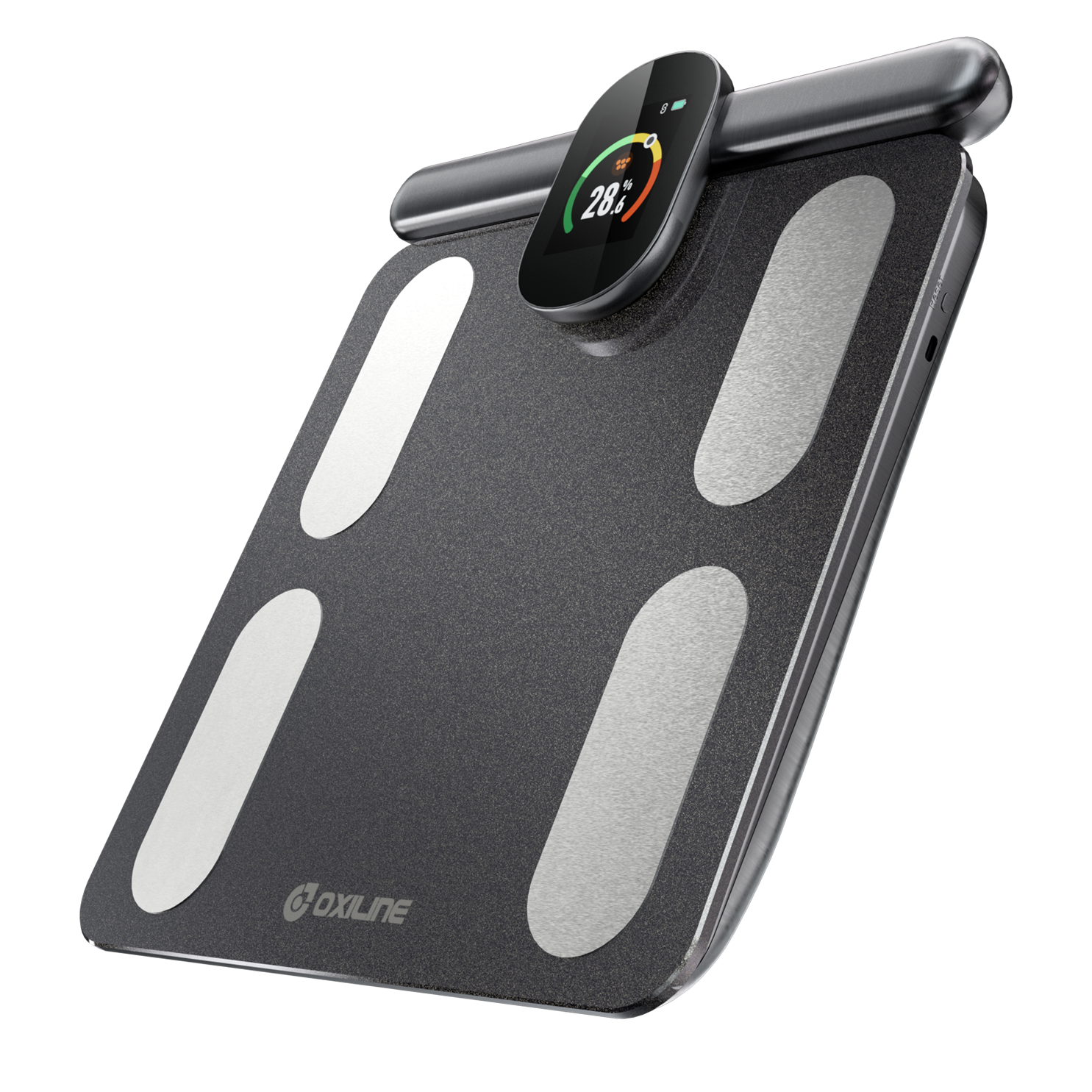
Track Body Fat
Discover smart, easy-to-use tools that help you monitor body fat trends over time—so you can stay consistent, stay motivated, and measure progress beyond the scale.
 Free Shipping
 Lifetime Warranty
 30 Day Money Back

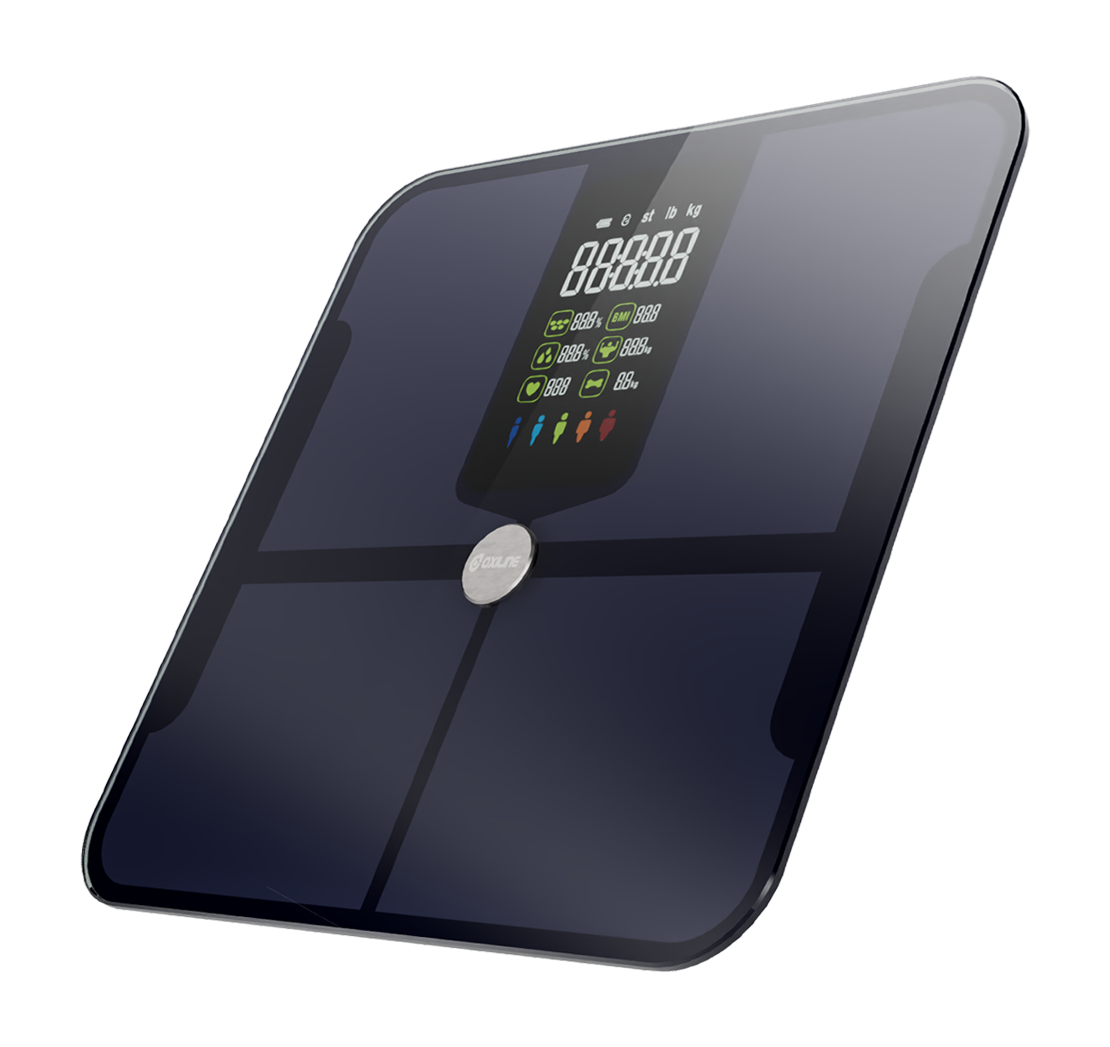
Because progress isn’t always visible on the scale.
Why Tracking Body Fat Matters
Your weight can fluctuate daily due to water, meals, and recovery, so it’s easy to feel stuck even when you’re improving. Tracking body fat helps you see changes in body composition over time, giving you a clearer picture of what’s really happening. When you measure consistently and focus on trends, you can stay motivated, adjust your routine with confidence, and track results in a way that’s more meaningful than weight alone.
See progress beyond weight
Body fat trends can show real progress even when the scale doesn’t move much.
Stay motivated during plateaus
Daily weight changes can be frustrating. Tracking body fat helps you stay focused on long-term progress.
Track trends, not single readings
A single measurement can fluctuate. Consistent tracking helps you see patterns over time.
FAQs
Weight alone doesn’t show what your body is made of. Tracking body fat can help you understand changes in body composition—like fat loss and muscle gain—so you can measure progress more accurately over time.
For most people, 1–2 times per week is ideal. Daily measurements can fluctuate due to hydration, meals, and sleep. The key is to track trends over time rather than focusing on one reading.
Home tracking methods can vary, but the best approach is:
-
Measure consistently (same time of day)
-
Use the same device each time
-
Track weekly or bi-weekly trends
Accuracy improves when you focus on patterns over time, not single readings.
Body fat readings can fluctuate based on:
-
Hydration levels
-
Sodium intake
-
Exercise intensity
-
Sleep and stress
-
Time of day
That’s why tracking weekly averages is usually more reliable than daily comparisons.
Most people notice meaningful body composition changes in 4–8 weeks, depending on consistency, training, nutrition, and starting point. Tracking weekly helps you see progress sooner.